
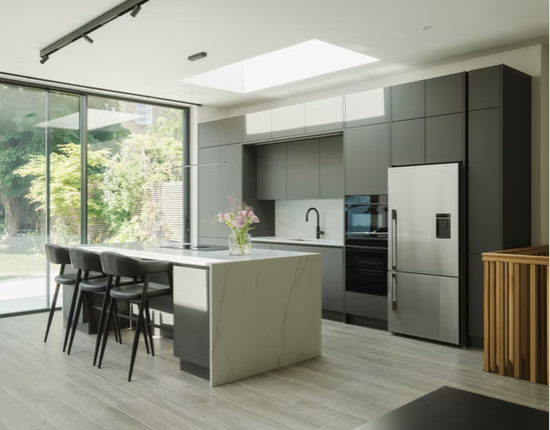
When Extra Space Feels Right It Is Usually Good Design Doing the Work
Most people do not wake up one morning excited about extending their home. It usually starts with small frustrations. A kitchen that feels cramped during dinner. A living room that doubles as an office and never really works for either. Or maybe the house is fine, but life has changed and the space has not caught up yet. That is when the idea of a home extension quietly shows up.
A good extension is not about adding rooms for the sake of it. It is about making your home feel easier to live in. When it works, you barely notice the change. You just notice that things flow better and daily life feels less crowded.
Think About the Problem Before the Space
Before anyone starts drawing plans, it helps to be honest about what is not working. Is it storage. Is it light. Is it privacy. Many people focus too much on square footage and forget the reason they wanted more space in the first place.
A thoughtful Residential Design Studio usually begins with questions, not drawings. How do you move through the house. Where do you spend most of your time. What feels stressful during a normal day. Those answers shape the design more than any trend ever could.
Let the Old and New Get Along
One common mistake is trying to make an extension look completely different just to make a statement. Sometimes that works, but often it creates a house that feels divided. The best extensions respect the existing structure and quietly build on it.
An Architectural Designer focuses on proportion and balance rather than bold gestures. They look at rooflines, window placement, and how light moves through the space. When this is done well, the extension feels like it was always meant to be there, even if it clearly belongs to a newer chapter of the home.
Planning Is Not the Fun Part but It Matters
Planning rules, technical drawings, and approvals are not exciting topics, but skipping details here almost always causes trouble later. This stage sets the foundation for everything that follows.
Working with a Planning & Technical Design Studio helps keep this process clear and organized. They deal with regulations, measurements, and coordination so the project does not stall halfway through. It is the kind of behind the scenes work that you only notice when it is missing.
Design for How Light Moves
Light changes how space feels more than almost anything else. A smaller room with good daylight often feels better than a large one that feels closed in. Extensions are a great opportunity to rethink how light enters your home.
Simple choices like window height, orientation, and ceiling shape make a big difference. An Architectural Technologist often helps translate these ideas into buildable solutions that also make sense structurally. It is a balance of comfort, practicality, and realism.
Budget Is Part of the Design Process
Talking about the budget early is not a bad thing. It actually leads to better design decisions. Knowing where to spend and where to simplify helps avoid disappointment later.
Good design is not about expensive finishes. It is about smart planning. Sometimes spending a little more on layout or structure saves money long term by avoiding awkward spaces or future changes. Honest discussions early keep the project grounded and realistic.
Extensions Should Feel Personal
A home extension should reflect how you live, not how a magazine says you should live. Open spaces are great, but not if you crave quiet corners. Extra rooms are helpful, but only if they serve a clear purpose.
This is where experienced Residential Home Extension Designers make a real difference. They help turn vague ideas into spaces that feel personal and usable. Not flashy, not overdone, just right for the people who live there.
Keep Communication Simple and Clear
Clear communication keeps stress levels low. Regular updates, realistic timelines, and straightforward explanations help everyone stay on the same page. Design should feel collaborative, not confusing.
Studios like studio-mass tend to value clarity over complexity. That approach allows homeowners to feel involved without feeling overwhelmed. When the process feels calm, the results usually reflect that.
A Home That Grows With You
At its core, a home extension is about adapting. Families change. Work habits shift. Needs evolve. A well designed extension leaves room for those changes without locking you into one way of living.
If you are thinking about extending, take your time at the start. Focus on how you want your home to feel, not just how you want it to look. With the right mindset and thoughtful design, an extension can quietly transform daily life in ways that feel natural, lasting, and genuinely satisfying.