
Why Smart Businesses Are Relying on Keyholding for Safer Premises
Running a business comes with a long list of things to think about. Staff, customers, stock, deadlines, security. And usually the last one only becomes a big concern when something goes wrong. A broken window after a weekend. A late night alarm call. A phone ringing at 2 am because someone needs to check the building.
Many businesses still rely on managers or staff to deal with these situations. Someone keeps the spare keys, someone answers the alarm calls, someone drives across town in the middle of the night to see what is going on. It sounds practical at first, but when you really think about it, it also carries a fair bit of risk. That is where Keyholding Services quietly step in and make life a lot easier.
When alarms go off at the worst possible time
Most alarms do not ring during office hours. They go off late at night, during holidays, or when everyone is finally relaxing at home. For many companies, the responsibility falls on one person who has the keys.
Now imagine getting that call at midnight. You drive to the building unsure whether it is a faulty alarm or someone actually inside the property. That situation is not just inconvenient, it can also be unsafe.
Professional security responders are trained for exactly these moments. They attend the site, assess the situation, check the premises and deal with whatever is happening. According to industry guidance, having trained personnel respond to alarm activations helps reduce risks and prevents employees from facing potentially dangerous situations alone. In simple terms, the right system means fewer late night surprises for you and far less risk for your team.
Keeping staff out of risky situations
One thing people often overlook is the safety of their own staff. Asking an employee to attend a building after hours might seem harmless until something actually happens. If there is a break in or suspicious activity, an untrained person could walk straight into a dangerous situation. Professional responders, on the other hand, are trained to handle incidents, check buildings safely and coordinate with emergency services if needed.
Companies focus on this kind of structured response. Their teams can attend alarm activations, patrol the premises, document incidents and report back through a control room if needed. The goal is simple. Keep people safe while making sure the property is properly checked.
Faster response when something goes wrong
Another quiet benefit of professional security support is speed. When a security alarm activates, every minute matters. A quick response can stop damage, prevent theft, or resolve a small problem before it becomes something bigger.
Because trained teams already have secure access and clear procedures, they can respond quickly and investigate the issue without delays. Security officers can check doors, windows and entry points, confirm whether the alarm is genuine, and secure the property if needed. That quick action can save businesses a lot of stress and often a lot of money.
Less pressure on business owners
Owning or managing a building often means carrying a lot of responsibility. Security is just one more thing sitting on that long list. Without the right support, you might always feel like you need to be available. Your phone must stay on. Someone always needs to be ready with the keys.
But when a reliable system is in place, that pressure eases. You know there is a process. You know someone trained will handle the situation if something happens. That peace of mind is often the biggest benefit people notice.
Better protection when buildings are empty
Even the busiest workplaces spend a lot of time empty. Nights, weekends, holidays, and sometimes entire properties sit vacant for weeks. Empty buildings can become easy targets for vandalism, theft or trespassing. A proper security response system helps reduce that risk by making sure the property is checked quickly whenever alarms trigger.
It also means any issues like damage, forced entry, or suspicious activity are reported straight away rather than discovered days later. In many cases, early detection prevents a small incident turning into a costly problem.
A simple idea that solves a big problem
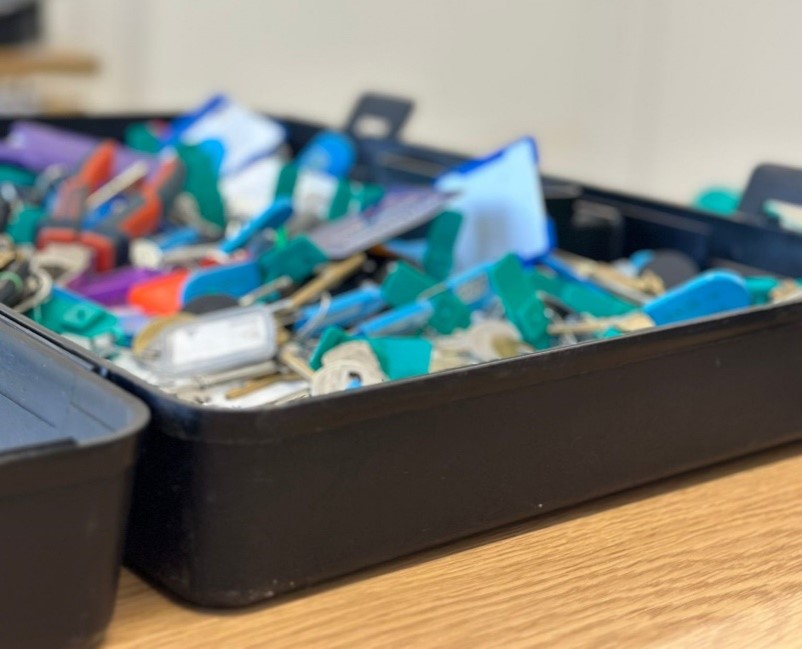
When you step back and look at it, keyholding is actually a very simple idea. A trusted security team holds the keys to a property and responds if something happens.
But the impact of that idea is bigger than it sounds.
It removes risk from employees.
It improves response times.
It keeps properties safer after hours.
Most importantly, it lets business owners focus on running their business instead of worrying about what might happen in the middle of the night. And sometimes, that kind of peace of mind is exactly what good security is supposed to provide.