
How to Make Your Home More Energy Efficient Without Major Renovations
Energy bills rising every month feel frustrating. The house still looks the same, still works the same, but somehow the comfort drops and the costs go up. Rooms feel colder than expected in winter and warmer than they should in summer.
The immediate thought is often big renovation work. Breaking walls, changing systems, spending heavily. But most of the time, that is not needed at all.
Small practical changes inside the home can improve energy efficiency without any major construction work. Just simple adjustments in daily setup and habits.
Simple Ways to Improve Energy Efficiency of Your Home Without Big Changes
Improve Loft Insulation Without Changing Your Home Structure
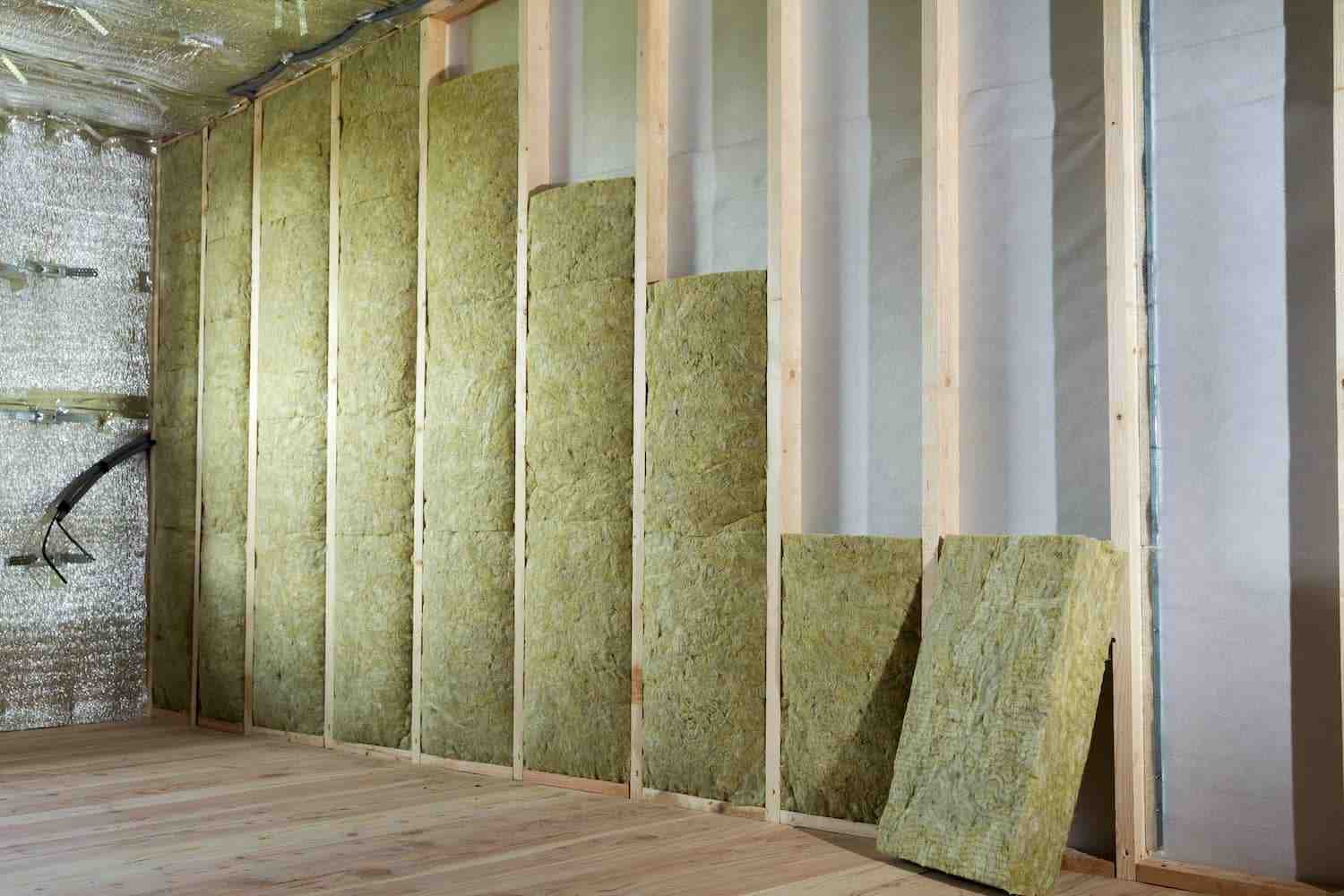
Heat loss often starts from the top of the house. Warm air rises and escapes through the roof space if it is not properly protected. This is one of the biggest reasons homes feel colder even when heating is on.
A very effective step is loft insulation installation Scotland, which helps reduce heat loss and keeps indoor temperature more stable without any structural renovation inside living spaces.
Even without professional upgrades, basic checks can help:
- Make sure the loft space is not left exposed
- Avoid blocking existing insulation layers
- Keep storage from compressing insulation material
This one area alone can reduce heating demand noticeably over time.
Use Natural Light and Air Whenever Possible
Homes often rely on artificial lighting even when natural light is available. Keeping curtains open during the day reduces lighting needs. Proper ventilation also reduces the need for constant heating or cooling in some cases.
Fresh air circulation helps maintain a balanced indoor environment without extra energy use. Try opening windows for short periods during the day instead of keeping them closed all the time.
Even rearranging furniture slightly to let more sunlight reach deeper into rooms can reduce the need for artificial lighting during daytime hours.
Stop Heat Escaping Through Small Gaps
A home does not need big openings to lose heat. Even tiny gaps around windows and doors can slowly affect indoor temperature.
Simple fixes help a lot:
- Use draught strips around doors
- Seal small gaps near window frames
- Close curtains properly in the evening
It feels minor, but the difference becomes noticeable during colder days. Rooms stay warmer for longer without increasing heating use.
Think Long Term with Smarter Energy Options
Along with daily habits, some homes also look at long-term energy improvements that do not require rebuilding the house.
One example is solar PV panel installation Scotland, which supports households in generating their own electricity and reducing dependence on external supply over time.
Even if not installed immediately, understanding such options helps in planning a more efficient home setup for the future.
Adjust Heating Habits Instead of Overusing It
Most homes use more heating than necessary without realising it.
A few simple changes help control this:
- Lower the thermostat slightly instead of switching the heating on high
- Heat only used rooms instead of the entire house
- Turn the heating off a little earlier before sleeping
The body adjusts faster than expected. After a few days, comfort stays the same, but energy use drops.
Reduce Electricity Waste from Everyday Usage
Energy efficiency is not only about heating. Electricity habits matter just as much. Simple actions make a real difference:
- Switch off appliances fully instead of standby mode
- Use washing machines only with full loads
- Keep lights off in unused rooms
These small habits do not feel significant in the moment, but over weeks, they reduce unnecessary consumption.
Keep Energy Awareness as a Daily Habit
The biggest improvement does not come from one big change. It comes from awareness. Turning things off when not needed, noticing heat loss areas, and adjusting usage patterns slowly build a more efficient home naturally. No pressure. No major changes. Just pay attention to small details repeated over time.
Small Steps That Create Real Savings!
Making a home more energy efficient does not always mean renovation or big spending. Most improvements come from small, practical actions like better insulation awareness, reducing heat loss, managing heating use, and controlling electricity habits.
Over time, these small steps build a home that feels more comfortable and costs less to run without any major structural work at all.