
The Part of Home Damage That Is Hardest to See and Easiest to Underestimate
When something major happens to a home, whether from fire, water, or any other source, the first thing most people do is look at the visible damage and start calculating from there. But experienced professionals in this field will consistently tell you that the visible damage is rarely the whole story. What does not announce itself immediately is often what creates the most lasting impact on the home and on the people living in it. Learning to see beyond the surface is one of the most valuable things a homeowner can develop.
When Damage Is Not Just Physical
Home damage affects people in ways that go beyond the structural and the financial. There is a psychological dimension to dealing with a home that no longer feels entirely safe or intact. The disruption of daily life, the uncertainty about what comes next, the decisions that have to be made while already stressed and overwhelmed. These are real parts of the experience that do not always get acknowledged in the practical conversations about what steps to take. Giving yourself permission to process all of that alongside the practical recovery work is not weakness. It is just honesty about what the experience actually involves for most families who go through it.
What Lingers After Smoke That Cannot Be Aired Out
Smoke is one of the more deceptive forms of home damage because it does not always look like much from the outside. The fire may have been contained to one area of the home, but smoke travels. It moves through HVAC systems, spreads through open doorways, and settles on surfaces in rooms that were nowhere near the source. Clothing, furniture, personal items, and interior wall surfaces can all carry residue that does not simply disappear when windows are opened. Thorough smoke damage cleanup is what actually removes those bonded particles from the surfaces and materials they have penetrated, rather than just reducing the smell temporarily. Until that work is done, every room in the home remains part of the affected area, regardless of whether it looks fine on the surface.
The Ground Level of Your Home Deserves More Attention Than It Gets
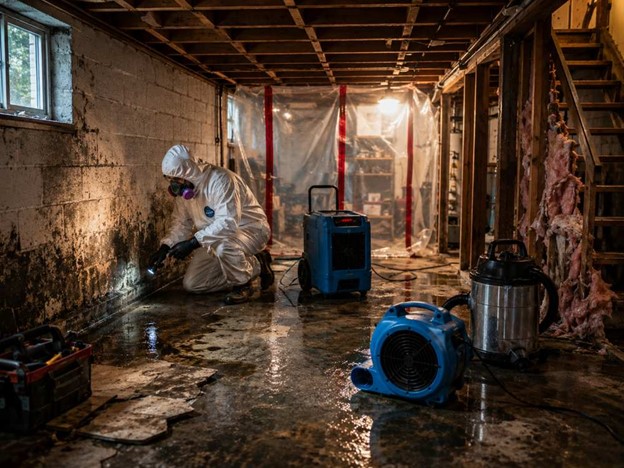
Basements are one of the most consistently underestimated areas when it comes to home damage and recovery. Because they are out of sight for most of the day, problems that develop there can go unnoticed longer than they would anywhere else in the house. Water that entered during a storm event settles in the lowest point of the structure. Residue from any event involving the rest of the home can work its way down over time. And the enclosed, limited-airflow environment of most basements means that whatever gets in tends to stay unless it is actively addressed. Proper flooded basement cleanup involves more than pumping out visible water. It involves evaluating every material in the space for saturation, treating the structural elements, and addressing the source of entry before anything is restored.
A New Way to Think About Your Home Going Forward
One of the lasting gifts of going through a significant home damage experience, difficult as it is in the moment, is a new relationship with your home. Most people who have been through it come out the other side more attentive, more proactive, and more honest about the small things they used to overlook. They do not wait as long to investigate a smell or a stain. They take unexplained symptoms more seriously. They inspect their basement after storms rather than assuming it is fine. That shift in perspective is genuinely protective and tends to save them from much larger problems down the road. You do not have to go through a crisis to start thinking that way.