
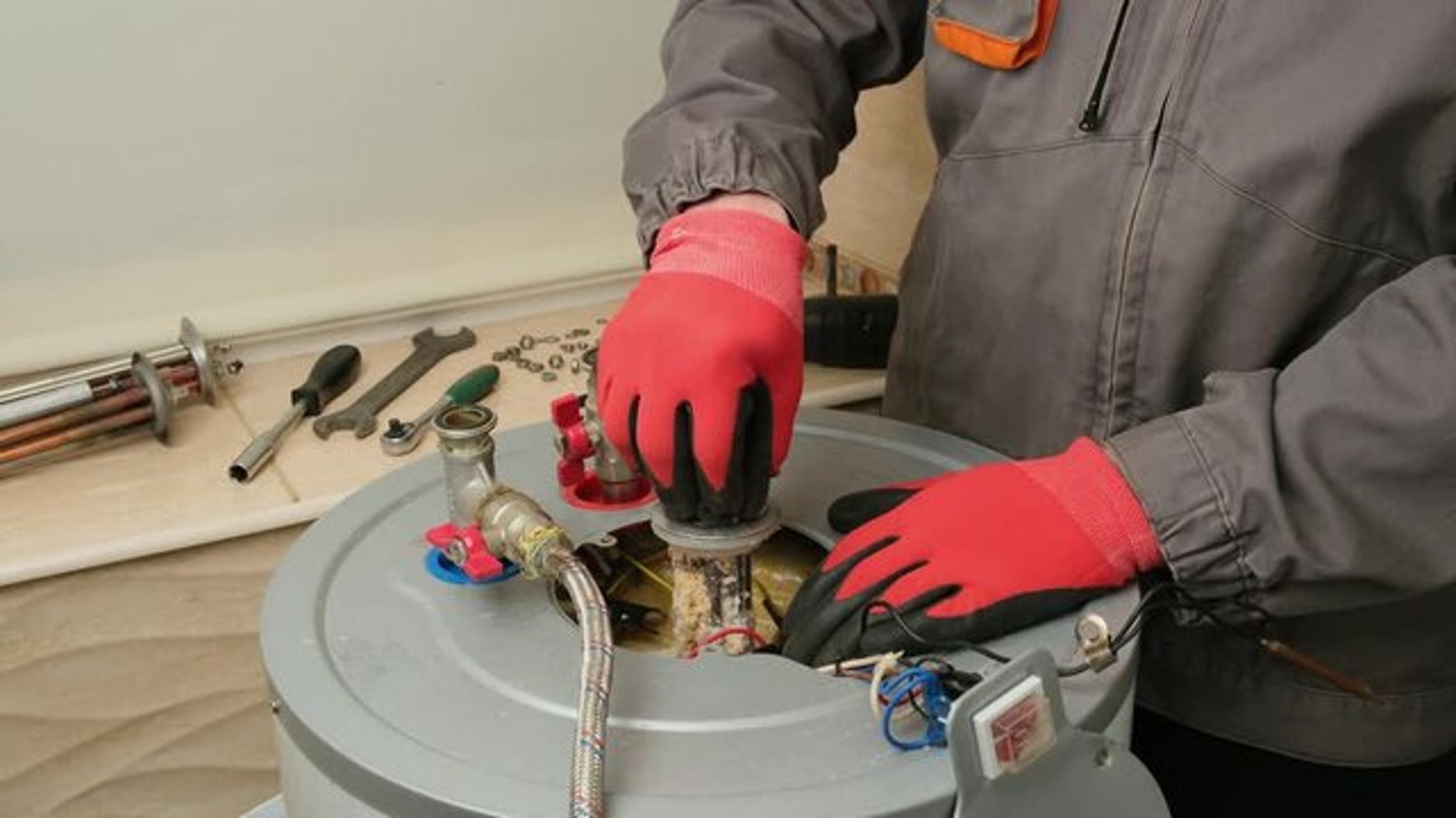
How to Extend the Life of Your Hot Water Tank with Simple Annual Maintenance
You know that moment when you turn the shower on expecting warm water and instead get a blast of cold? Yeah, nobody likes that. Most of us do not think about our hot water tank until it stops working right, and by then you are usually dealing with a bigger headache than you wanted. The good news is that a little bit of yearly attention can keep that tank running smoothly for way longer than you would expect, and none of it requires you to be a plumbing genius.
Why Hot Water Tanks Wear Out Faster Than They Should
Most hot water tanks are built to last somewhere around ten to fifteen years, but a lot of them die way earlier than that simply because nobody ever looks at them. Sediment builds up at the bottom, the anode rod wears down without anyone noticing, and small leaks go unchecked until they become big problems. It is kind of like never changing the oil in your car and then being shocked when the engine starts acting up. Tanks are the same deal, they need a bit of love every once in a while or they just quietly break down on you.
Flush It Out Once a Year
This is probably the single biggest thing people skip. Sediment, basically minerals and gunk from your water supply, settles at the bottom of the tank over time. If you never flush it out, that layer just keeps building and makes your tank work harder to heat water properly. It also causes weird rumbling or popping noises, which honestly freaks people out the first time they hear it. Draining a portion of the tank once a year clears that buildup and keeps everything running efficient. It is not a hard job, but if it sounds intimidating, that is exactly the kind of thing professional plumbers handle in about twenty minutes without breaking a sweat.
Check the Anode Rod Before It Is Too Late
The anode rod is this unsung hero inside your tank that basically sacrifices itself to protect the metal lining from rusting. Over time it corrodes away, and once it is gone, your tank starts rusting from the inside out, which is pretty much a death sentence for it. Checking the rod once a year and replacing it when it looks thin or chalky is one of those small moves that can add several years onto your tank’s life. Most people never even know this part exists until something goes wrong, so this is honestly one of the best kept secrets in home maintenance.
Watch the Pressure Relief Valve
This little valve is there to release pressure if things inside the tank ever get too intense, and it is one of those safety features you really do not want failing silently. Testing it once a year by lifting the lever briefly and making sure water flows out and stops properly is a quick way to confirm it still works. If it does not respond right, that is a sign something needs attention before it turns into an actual safety issue.
Keep an Eye on the Temperature Setting
A lot of tanks get set way hotter than needed, which not only wastes energy but also puts extra strain on the components inside. Somewhere around 120 degrees Fahrenheit is usually the sweet spot for most homes, comfortable for showers and dishes without overworking the tank. Lowering it even slightly can ease the burden on the heating element and slow down general wear over the years.
Listen for the Warning Signs
Tanks are not silent when they start struggling. Rumbling, popping, or even a metallic smell in your hot water can all be early clues that something is off. Catching these signs early usually means a simple fix instead of a full tank replacement down the line. If you ever notice rusty water coming from your hot tap, or puddles forming near the base of the tank, do not brush it off, because those are usually signs you need hot water tank repair sooner rather than later.
Do Not Wait Until It Is an Emergency
A lot of homeowners only think about their tank when it completely stops working, but by then the damage is usually already done. Treating maintenance like an annual checkup, the same way you would with a car or even your own health, keeps small issues from snowballing into expensive ones. It is one of those tasks that feels easy to skip until the day it really is not.
Wrapping This Up
At the end of the day, your hot water tank works quietly in the background every single day, heating water for showers, dishes, laundry, basically everything. Giving it a little attention once a year is such a small effort compared to the cost and hassle of dealing with a tank that fails completely. So next time you are doing your seasonal home checklist, do not forget to add this one in. Future you, standing under a nice hot shower in five years, will be glad you did.