
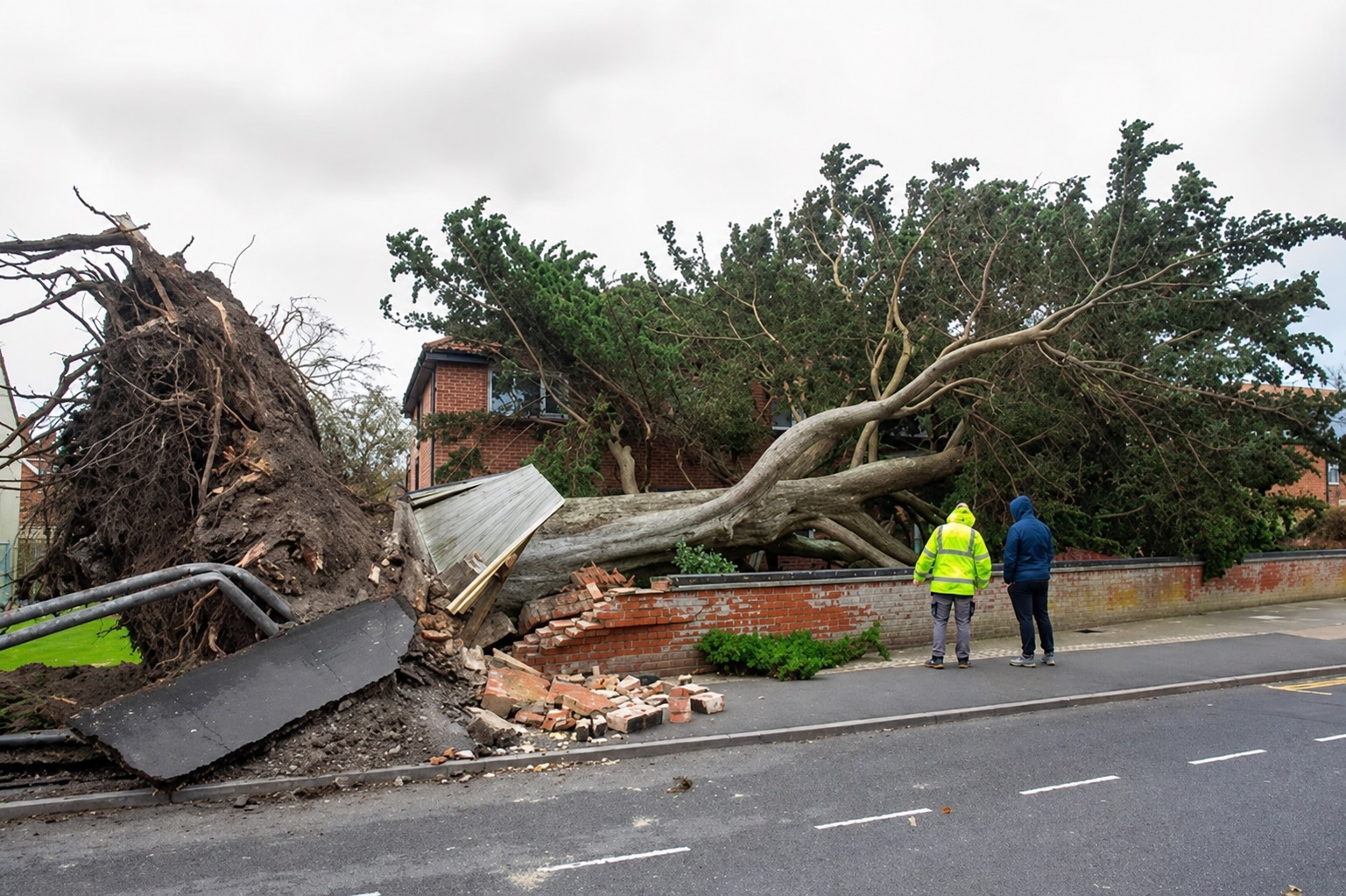
When the Storm Is Gone Your Roof May Still Be in Trouble
Storms come and go, but the damage they leave behind can stay with your home for a long time. Heavy rain, strong winds, hail, and falling branches all put a lot of pressure on your roof. Sometimes the damage is easy to spot. Other times, everything looks fine from the ground even though problems are already starting underneath the surface.
That is why it is important to pay attention after severe weather. Even small signs of damage can grow into much bigger repairs if they are ignored. Many homeowners think about storm damage roof repair only after they notice a leak, but by then the damage may already have spread beyond the roof itself.
Strong Winds Can Do More Than Blow Off Shingles
Strong winds are one of the biggest threats to any roofing system. They can lift shingles, loosen flashing, and create small openings where rainwater can enter. Sometimes shingles are completely blown away. Other times they simply become loose, making them more likely to fail during the next storm.
Even if the roof still looks normal from the street, wind damage can weaken its ability to protect your home. That is why checking your roof after high winds is always a smart idea.
Hail Can Leave Hidden Damage
Hail does not have to be the size of a golf ball to damage a roof. Even smaller hailstones can leave dents, crack shingles, or knock away the protective granules that help roofing materials stand up to the weather.
The tricky part is that this damage is not always obvious. Your roof may continue to keep water out for a while, but those weakened areas can wear down much faster over time. What seems like a minor issue today could turn into a costly repair after the next heavy rain.
Heavy Rain Finds Every Weak Spot
Rain alone may not damage a healthy roof, but it quickly finds places where the roof has already been weakened. A loose shingle, damaged flashing, or tiny crack can allow water to seep inside without you even knowing.
Once moisture gets beneath the roofing materials, it can soak insulation, stain ceilings, damage wood, and even encourage mold growth. Water damage often spreads quietly, making early detection one of the best ways to avoid expensive repairs.
Falling Branches Can Cause More Damage Than You Think
Trees make a yard beautiful, but they can become a real problem during storms. Heavy branches can scrape across the roof, break shingles, or even punch holes through roofing materials if they fall with enough force.
Sometimes the damage is dramatic, but not always. Even a branch that seems small can weaken part of the roof and create an opening for future leaks. Keeping trees trimmed before storm season can reduce the risk of unexpected damage.
Small Damage Can Turn Into Big Problems
One of the biggest mistakes homeowners make is assuming that a little damage is not worth worrying about. A missing shingle or small crack might not seem urgent, but roofs are designed to work as one complete system. When one part is damaged, the rest of the roof becomes more vulnerable.
The longer repairs are delayed, the greater the chance that moisture, heat, and changing weather conditions will make the damage worse. What starts as a simple repair can eventually lead to structural damage inside the home.
Your Gutters Matter Too
Storms do not only affect shingles. Gutters often collect leaves, branches, and other debris after severe weather. When gutters become clogged, rainwater cannot drain properly. Instead, it may back up under the edge of the roof or overflow near the foundation.
Cleaning gutters after a major storm helps water move away from your home the way it was designed to. It is a simple step that can prevent a surprising amount of damage.
Do Not Wait Too Long to Check Your Roof
After the skies clear, it is easy to move on with daily life, especially if there are no obvious leaks inside the house. However, many roofing problems take weeks or even months before they become noticeable. By then, repairs are often more complicated than they needed to be.
If you suspect your roof has been affected by severe weather, having it looked at sooner rather than later can make a big difference. A trusted residential roofing contractor can identify damage that may not be visible from the ground and help prevent small problems from becoming much larger ones.
Final Thoughts
Storms are something every homeowner will face sooner or later. While there is no way to stop the weather, there are ways to reduce the damage it leaves behind. Paying attention after heavy rain, strong winds, or hail gives you the chance to catch problems before they grow into something much more expensive.
Your roof works hard every day to protect the people and memories inside your home. Giving it a little attention after a storm is one of the best ways to help it stay strong for years to come. A quick look today could save you from major repairs and unexpected stress down the road.