How Private Security Shapes Public Behaviour in Subtle Ways
Public behaviour is not fixed. It changes depending on the setting. A train station feels different from a shopping centre. An office lobby feels different from a music festival. What’s interesting is how often that shift has something to do with private security solution,s, even when nobody talks about it.
Security is usually linked with crime prevention. But that’s only one part of the story. The influence runs quieter than that. Below are six ways it shapes behaviour, sometimes without people even realising.
Beyond Crime Prevention: How Private Security Changes Social Behaviour
- Presence Changes the Atmosphere
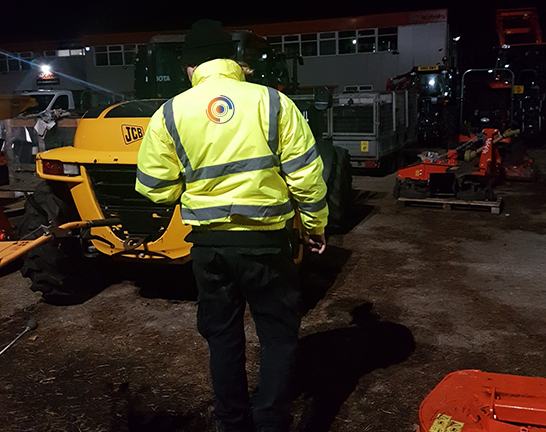
You might wonder sometimes, “Why do people behave differently when security guards are present?” A uniform has weight. It signals authority without saying a word. When security guards stand near an entrance or slowly patrol a space, people adjust. Posture changes. Voices lower slightly. Rules suddenly feel less optional.
Nothing dramatic happens. It’s just a reminder that someone is paying attention. And that alone creates order.
- Accountability Feels Immediate
There is often discussion around why people behave differently when security guards are present. The answer is not complicated. People respond to observation.
When behaviour feels visible, it becomes more controlled. Not perfect, just more measured.
You might notice:
- Fewer small conflicts
- Less careless damage
- More patience in queues
- Reduced opportunistic behaviour
It is not fear exactly. It’s awareness. That subtle sense of being accountable.
- Boundaries Become Clear
Spaces without visible structure can feel uncertain. A shopping centre, for example, is technically public but privately managed. The presence of private security services makes those boundaries clearer.
A guard near an entrance communicates: this space has standards.
People tend to follow visible boundaries more than written ones. A sign may be ignored. A person in uniform is harder to overlook.
- Crowds Stay Calmer
Crowds are unpredictable. Emotions spread quickly in busy environments. Festivals, sales events, and transport hubs can all shift in mood very fast.
A professional security company understands this dynamic. Guards positioned strategically can steady a situation before it escalates. Their calm body language matters more than many assume.
When people see control, they feel reassured. And when they feel reassured, behaviour softens. It’s almost contagious.
- Workplace Behaviour Tightens
In corporate settings, security has a quieter influence. ID badges are worn properly. Visitors check in. Access policies are followed more consistently.
It might seem small. But repeated daily, these actions build a culture of discipline. Over time, structure becomes habit.
Private security services, in this sense, support professionalism without constantly intervening. The presence alone does much of the work.
- Safety Affects Confidence
There is also a psychological layer that often gets ignored. When people feel safe, they act differently.
Families stay longer in retail spaces. Employees are more comfortable working late. Residents feel more at ease entering a building at night.
That sense of protection encourages openness. Conversations happen more freely. Movement feels relaxed. Risk feels lower, so behaviour becomes more positive.
The Quiet Strength of Presence
Private security is usually noticed only when something goes wrong. Yet much of its value lies in what never happens.
Arguments that do not escalate. Damage that does not occur. Panic that never builds. The influence is quiet, sometimes almost invisible. But behaviour shifts. Tone changes. Order settles in. And that subtle shaping of public space is, perhaps, its most powerful role.