
How Smart Technology Is Redefining Hybrid Events in 2026
Event management in 2026 is not only about planning platforms and agendas. It is all about using the right tools, formats, and experiences. This approach typically aims to meet the changing expectations of the audience. Today’s events are more flexible, smarter, and more focused on engagement than ever before, as these go far beyond simple video conferencing and live streams.
It can be said that smart technology is transforming these experiences into interactive and dynamic environments that seamlessly connect virtual and in-person audiences. With the rise of technology, businesses are leveraging innovation to improve accessibility, boost engagement, and deliver measurable results. In this writing, we will break down why event management is changing and some of the most important event management trends for 2026.
Why Event Management Is Changing
Nowadays, event management is focused more on flexibility, experience, and smart planning. Modern audiences no longer attend events just to be present because they expect convenience, interaction, and value. Technology is playing a bigger role in how events are managed and planned. There are many tools for scheduling, registrations, and attendee engagement that are now used widely.
This technological shift makes events less dependent on manual processes and more organised. At the same time, your clients and brands can reach more people and create stronger connections. It can be said that understanding these changes helps organisers adapt to new expectations and stay aligned with modernisation.
Recent Trends of Technology in Hybrid Event Management
Here you go!
Immersive Virtual Platforms
Hybrid events leverage immersive virtual platforms that replicate real-world environments. It allows the remote attendees to navigate digital venues, interact in real time, and join breakout rooms. These virtual platforms integrate AI matchmaking, live polling, and gamification to increase engagement.
In 2026, businesses are investing in synchronised presentation and seamless streaming tools. This approach ensures that both virtual and in-person audiences receive a high-quality and consistent experience.
Advanced Display Technologies
Holographic projections, ultra HD LED walls, and interactive touch displays are now transforming the ways actual content is delivered at hybrid events. The presenters can visualise data dramatically, which makes sessions easier to understand and more engaging.
These advanced display technologies support real-time collaboration between physical and remote participants. It ensures that complex ideas are communicated clearly while maintaining audience attention across a wide range of viewing formats.
Smart Audio Solutions
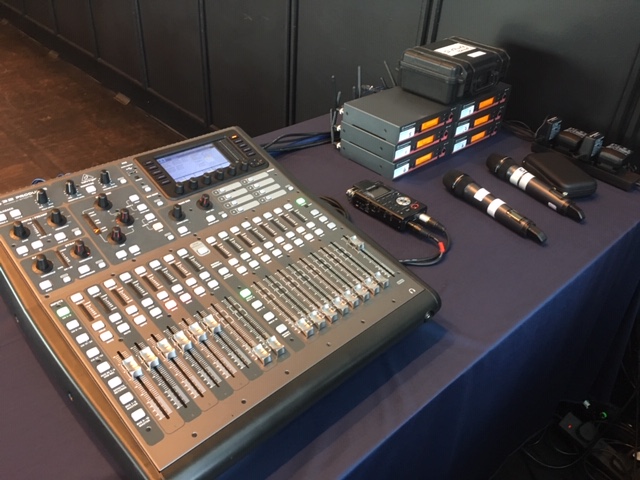
A good and clear communication always remains a cornerstone of successful hybrid events. Noise-cancellation systems, advanced beamforming microphones, and the AI-driven sound balancing systems ensure every participant is heard and hears without any disruption.
Strategic corporate audio-visual installation plays a significant role in integrating these technologies. This crystal-clear communication enables seamless transitions between speakers and listeners while maintaining a consistent sound quality throughout the event.
AI-Driven Personalisation
AI or artificial intelligence enables session recommendations, personalised agendas, and multiple networking opportunities on the basis of the behaviour and preferences of attendees. With the help of analysing engagement data, AI helps event organisers tailor interactions and content to maximise value for participants. The level of personalisation ensures attendees feel prioritised. This improved attendee experience leads to higher satisfaction rates and stronger connections with event content.
Real-Time Data Analytics
Real-time data analytics monitor session popularity, attendee engagement, and interaction levels. These allow immediate adjustments, such as modifying content delivery methods or extending popular sessions. It ensures hybrid events remain responsive and dynamic, helping your business deliver more relevant and impactful experiences to diverse audiences.
Adaptive Lighting
Lighting technology now adapts to speaker movements, camera angles, and presentation content. It ensures optimal visibility for both virtual and in-person audiences. In 2026, event planners are increasingly relying on lighting rental events in London to access energy-efficient and customisable lighting solutions. Adaptive lighting creates visually compelling environments that enhance brand identity while ensuring good quality for hybrid formats.
Sustainable Technologies
Hybrid events significantly contribute to immense sustainability by reducing travel-related emissions. The energy-efficient equipment, such as reusable staging, LED lighting, and cloud-based platforms, lowers resource consumption without compromising quality. These eco-conscious event technologies align with CSR goals in modern event planning.
The event industry in 2026 is shaped by smarter planning, flexible formats, and experience-driven design. Keeping up with event management trends helps you make informed decisions and create engaging experiences.