
How to Assess Your Home’s Vulnerabilities Before Investing in Security?
Many homeowners think about security only after something worrying happens nearby. A burglary in the neighbourhood or a suspicious incident can suddenly make you wonder if your own home is protected enough. But before spending money on alarms, cameras, or advanced technology, it helps to first understand where your property may actually be vulnerable.
Every house is different. The layout, entry points, surrounding area, and daily routines all influence how secure your home is. Taking some time to assess possible weak spots allows you to make smarter decisions about security later. Here is a simple way to look at your home from a safety perspective before investing in protection systems.
Is Your Home Really Safe? A Practical Guide to Spotting Security Weak Points Before You Invest
Start by Looking at Your Home From the Outside
One of the best ways to assess security is to view your home the way a stranger might see it. Walk around your property slowly and pay attention to anything that might make access easier. Look for things like poorly lit areas, overgrown hedges, or hidden corners. These spots can provide cover for someone trying to approach the house unnoticed. Good lighting alone can often reduce risk because people are less likely to linger in bright, visible spaces.
Also, take note of any objects that could help someone climb. Wheelie bins, ladders, garden furniture, or low walls placed near windows may make access easier than you realise. Moving or securing these items can immediately improve safety.
Check Doors and Locks Carefully
Doors are one of the most common entry points for intruders. It is worth checking whether your doors are strong enough and whether the locks are working properly. Ask yourself a few simple questions:
-
Do your exterior doors feel solid and sturdy?
-
Are the locks modern and in good condition?
-
Is the door frame strong, or does it feel loose?
-
Do you lock doors even when you are home?
If a door feels weak or outdated, it might be worth upgrading the lock or reinforcing the frame. Even small improvements can make forced entry far more difficult.
Pay Attention to Windows
Windows are often overlooked during security checks, yet they can be just as important as doors. Walk around your house and check each window carefully. Ground-floor windows are particularly important because they are easiest to reach. Make sure locks work properly and that frames are not damaged or loose.
If you have older windows, consider whether they could be opened from the outside or easily forced. Sometimes, simple window locks can add a strong layer of protection without major changes. You should also look at visibility. Windows hidden behind bushes or fences may be easier for someone to approach unnoticed.
Notice Areas That Are Hard to See
Certain parts of a property are naturally less visible than others. Side paths, back gardens, and narrow walkways between houses can sometimes create blind spots. Take a moment to stand in these areas and think about visibility from the street or from neighbouring homes. If nobody can easily see someone standing there, the area may benefit from better lighting or improved visibility.
Outdoor lights that turn on automatically when movement is detected can be particularly useful in these locations. So, do not forget to check this aspect of your home and make sure your house gets the attention and protection it truly deserves.
Think About Your Daily Habits
Home security is not only about the building itself. Daily routines also affect how safe a property is. For example, leaving parcels outside the front door for long periods can signal that nobody is home. Similarly, posting holiday updates on social media while you are away can sometimes reveal that the house is empty.
Take a moment to consider habits that might unintentionally make your home look unattended. Small changes in routine can sometimes improve safety more than expensive equipment. So, start making changes from yourself- that is the best beginning, hopefully!
Decide Where Extra Protection May Help
After reviewing doors, windows, lighting, and daily habits, you will have a clearer idea of where extra protection might be useful. This is the point where many homeowners begin exploring options like alarms or monitoring devices. A reliable home security system can add another layer of protection by alerting you if something unusual happens while you are away.
These systems can also discourage unwanted visitors simply by being visible. However, installing technology without first understanding your home’s weak points may lead to unnecessary costs. Assessing vulnerabilities first helps ensure that any security investment truly addresses the areas that need attention.
Consider Monitoring Key Areas
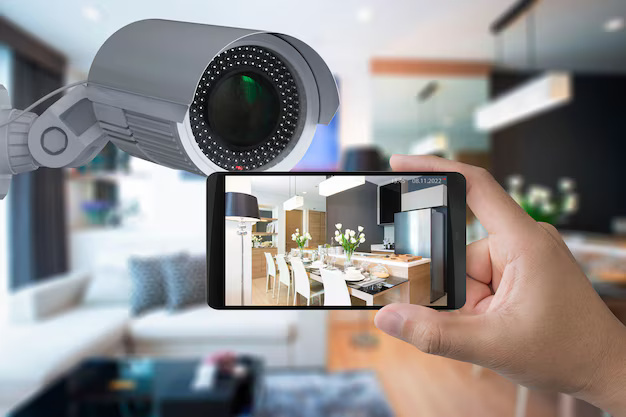
Some parts of a property naturally benefit from closer monitoring. Entrances, driveways, and back gardens are often the most important places to observe. Many homeowners choose to monitor these areas using cameras, especially if the property is not easily visible from the street.
For instance, people in certain areas sometimes explore home security camera installation Castleford options to keep an eye on entrances or outdoor spaces. Even basic monitoring can help you understand what is happening around your home, especially during times when you are away.
A Careful Check Can Save You Money
Improving home security does not always require large upgrades or expensive systems. Often, the most valuable step is simply understanding your property better. When you take time to identify vulnerable areas first, you can focus your efforts where they matter most.
By checking entry points, improving lighting, adjusting daily habits, and reviewing visibility around your home, you create a clearer picture of how secure your property really is. Once you understand these details, any security improvements you choose will be far more effective and purposeful.