
Scented Candles and Why They Quietly Change How Home Feels
There is a certain moment in the day when everything slows down just a little. Maybe it is after dinner when the dishes are done, or early in the morning before the world wakes up. That is usually when people reach for a candle. Not because they planned to, but because the room feels like it needs something softer. Candles have a way of filling the gaps that furniture and decor never quite manage. They do not demand attention, yet somehow they shape the mood of a space more than most things we bring into it.
Over time, candles stop feeling like decoration and start feeling like part of the rhythm of the home. They mark quiet moments, signal rest, and create small pockets of calm in otherwise busy days. That is why choosing the right kind of candle matters more than we often admit.
The emotional pull of scent in everyday spaces
Scent is deeply tied to memory, even when we are not aware of it. A familiar smell can pull you back years in an instant, or make a new place feel safe almost immediately. When you light a candle, you are not just adding fragrance; you are setting a tone for how the space feels emotionally.
Good scents feel balanced. They do not overpower the room or linger too long after the flame is out. Instead, they blend into the background, showing up gently when the air is still. That is why many people slowly move toward scented candles that feel softer and more natural rather than bold and intense. The goal becomes comfort, not impact.
Why does subtle always work better than strong
It is tempting to choose the strongest scent on the shelf, especially when shopping in person. Strong smells stand out quickly. But once you bring them home, they can feel heavy, especially in smaller spaces. What works better long term is a scent that unfolds slowly.
Think of fragrances that match the mood you want. Warm notes for evenings, fresh ones for mornings, and clean, neutral scents for shared spaces. When a candle supports the environment instead of dominating it, you find yourself lighting it more often and enjoying it without thinking about it too much.
Making candles part of daily routines
Candles do not need to be saved for special occasions. In fact, they work best when they become part of everyday life. Lighting one while you work from home, while folding laundry, or during a slow breakfast can subtly change how those moments feel.
One simple habit is to light a candle at the same time each day. It could be when you finish work, start winding down, or even first thing in the morning. Over time, your brain begins to associate that scent and glow with a specific state of mind. It becomes a quiet signal to slow down or focus, without needing any effort.
Burn quality matters more than people think
A candle that burns unevenly or leaves smoke behind can ruin the experience quickly. Clean burning wax, properly sized wicks, and thoughtful pouring all play a role in how a candle behaves. When a candle burns well, it feels reliable. You do not have to babysit it or worry about wasted wax.
Taking care of candles helps too. Trimming the wick, letting the wax melt evenly, and keeping candles away from drafts all extend their life. These small steps make the ritual feel intentional rather than careless.
Choosing candles that feel honest and well made
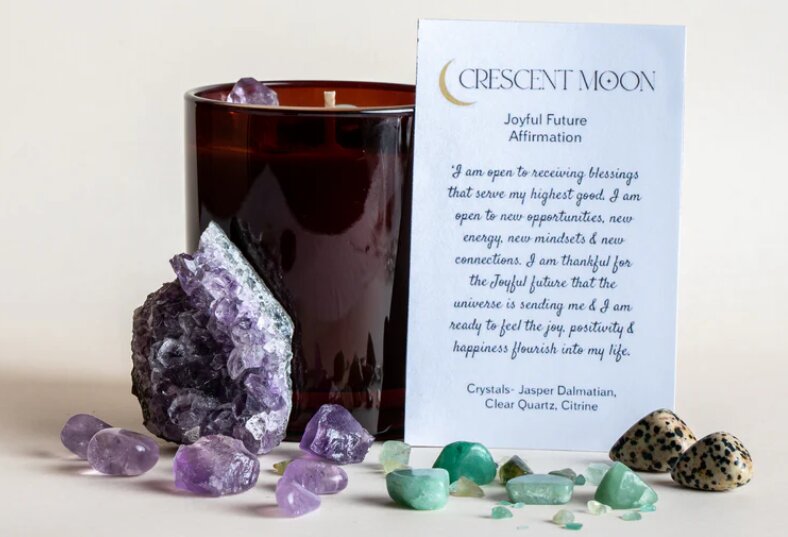
There has been a noticeable shift toward small batch candle makers who focus on quality over quantity. Brands like Cres Moon Candles represent this movement well, emphasizing natural materials and thoughtful craftsmanship. Even as a guest reader, it is easy to appreciate when something is made with care rather than rushed for mass appeal.
Well made candles tend to feel calmer in every sense. The scent is balanced, the flame is steady, and the overall experience feels grounded. It is less about trends and more about creating something people actually want to live with.
Candles as a form of quiet self care
Self care does not always need a plan or a product list. Sometimes it is as simple as sitting in a softly lit room and letting your thoughts settle. Candles support that kind of stillness without asking anything from you.
They encourage pauses. Moments where you are not scrolling, rushing, or fixing something. Just being present. Over time, those pauses add up, and the candle becomes a symbol of choosing calm when you can.
Letting small rituals shape a home
In the end, candles are not about perfection or aesthetics. They are about how a space makes you feel when you are actually living in it. A gentle flame, a familiar scent, and a few quiet minutes can shift the tone of an entire day.
When you approach candles as part of your routine rather than a special feature, they become more meaningful. They stop being objects and start being experiences. And often, that is exactly what a home needs a little more of.