
What Are The Overlooked Factors Behind Consistent Dairy Farm Performance?
Consistency is the ultimate key in every dairy operation. High milk yields in one month and unexpected drops in the next month can disrupt breeding schedules, cash flow, and long-term planning. While many dairy producers focus on genetics, nutrition programs, and advanced milking technology, several equally important factors often go neglected. True consistency in dairy farm performance is rarely the result of one major decision. Instead, it comes from managing smaller, foundational elements that influence productivity, cow health, and efficiency.
Top Neglected Factors Behind Consistent Dairy Farm Performance
Cow Comfort and Stall Design
Housing design plays a crucial role in herd performance. Overcrowded pens, uncomfortable bedding, or poorly designed stalls can discourage cows from lying down adequately. Since dairy cows require around 12 to 14 hours of rest each day for optimal milk production and rumination, discomfort can have serious consequences. Good ventilation, clean bedding, and proper stall dimensions promote relaxation and reduce stress. Comfortable cows maintain stronger immunity systems, experience fewer injuries, and produce milk more consistently. Investing in cow comfort is often less expensive than addressing the health problems that arise from neglecting it.
Hoof Health and Mobility Management
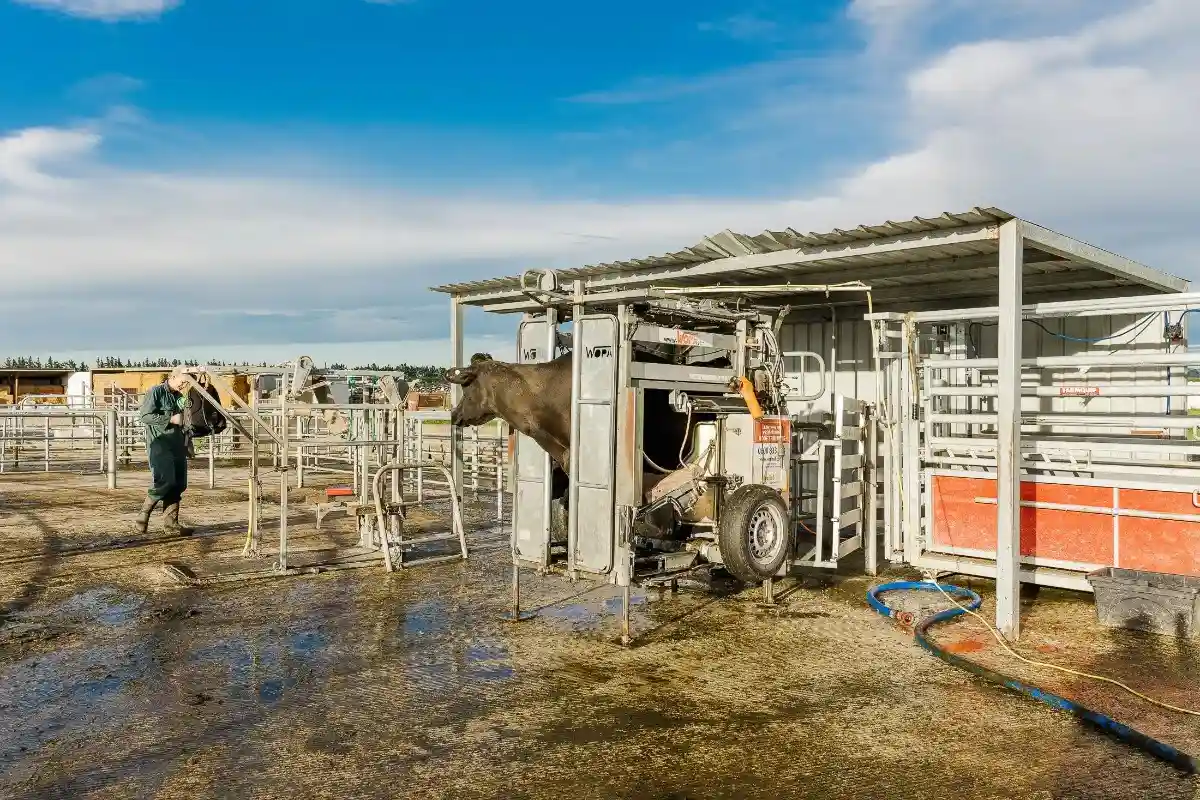
Mobility is one of the most underestimated drivers of productivity. A cow that walks comfortably eats more consistently, reaches the water source easily, and moves calmly through milk parlors. When hoof health declines, everything else begins to suffer. Lameness reduces feed intake, interferes with reproductive behavior, and lowers milk production. Even mild discomfort can disrupt normal routines. Many progressive operations integrate professional hoof care for dairy farmers into their herd health programs to prevent small issues from escalating into major issues.
Water Access and Quality
Water is frequently overshadowed by feed discussions. However, it is as crucial as food. A lactating cow can drink more than 30 gallons of water per day. Poor water quality or insufficient access can directly limit milk production. Adequate space, clean troughs, and consistent water testing are crucial. If cows must encounter contaminated sources or compete for water, intake decreases. This apparently minor issue can reduce performance across the herd. Ensuring constant and easy access to fresh water is one of the simplest ways to maintain production stability.
Early Disease Detection
Waiting until symptoms become obvious often means productivity has already been affected. Subclinical conditions such as early-stage lameness, metabolic disorders, or mild mastitis can quietly reduce output before they are visibly apparent. Implementing routine health monitoring, regular checks, and data tracking allows farmers to detect problems early. Technology, such as herd management software and activity monitors, can provide valuable insights into behavioral changes. Protective monitoring minimizes production losses, reduces treatment costs, and supports more predictable head performance.
Preventive Maintenance Culture
Successful dairy farms carry a preventive mindset. Routine hoof trimming, herd health protocols, barn cleanliness, and equipment maintenance are parts of a structured system rather than occasional tasks. Reactive management often produces inconsistent results as problems are addressed only after they escalate. Preventive systems, on the contrary, identify risks early and help maintain steady operations. For instance, professional hoof trimming tools for dairy farmers help prevent mobility-related issues. Similarly, regular equipment checkings prevent unexpected downtime during milking sessions.
Employee Training and Consistency
Even the biggest facilities and feeding programs may not compensate for inconsistent management practices. Employees play a significant role in detecting early warning signs, maintaining routine, and ensuring protocols are followed properly. Training staff to recognize mobility changes, handle animals calmly, and maintain hygiene standards can significantly influence outcomes. Standardized protocols and clear communication reduce variability in daily operations. A well-trained team ensures that preventive measures, including health checks and hoof trimming, are consistently carried out. Remember, human consistency often determines herd consistency. The more you focus on maintaining the firm and taking care of the cow, the better the production.
Consistent dairy farm performance does not depend on a single breakthrough invention. It is built on daily attention to foundational details. Comfort, water access, employee training, mobility, and preventive systems work together to create a nurturing environment. The most successful dairy operations value long-term profitability and focus on consistency rather than short-term gains. By focusing on these often neglected elements, farmers can improve herd longevity, reduce volatility, and build a more resilient operation.