
How to Approach a Listed Building Project Without Losing Its Character
There is something special about living or working in a building that has already lived through generations. Old stone walls, original timber, unusual layouts, and little details can give a property a personality that a new building simply cannot copy. But once you decide to renovate, extend, or even change a few rooms, things can get complicated pretty quickly. Historic buildings need more thought because their character matters, and some changes may require special approval. The good news is that working with an older property does not mean you have to give up modern comfort. With the right approach, you can create a space that feels practical today while still respecting the story of the building.
Start by Understanding the Building
Before thinking about paint colors, extensions, or new rooms, take some time to understand what you already have. Look at the structure, materials, layout, and features that make the property different from a modern home. Original fireplaces, beams, stonework, windows, and unusual roof structures may all have historical value. A proper assessment can also reveal problems that are easy to miss during a normal viewing. This early step gives you a much clearer idea of what should stay, what might need repair, and where there could be room for sensible changes.
Do Not Treat Old Buildings Like New Ones
One of the easiest mistakes is assuming that a historic property can handle the same solutions as a modern building. Older structures often use traditional materials and construction methods that behave differently from contemporary systems. The wrong repair can sometimes create moisture problems or damage original fabric. This is where architects specialising in listed building projects can bring useful knowledge to the table. Their experience with traditional repair methods, heritage significance, planning requirements, and sensitive design can help you avoid changes that cause bigger problems later.
Think About Modern Life Too
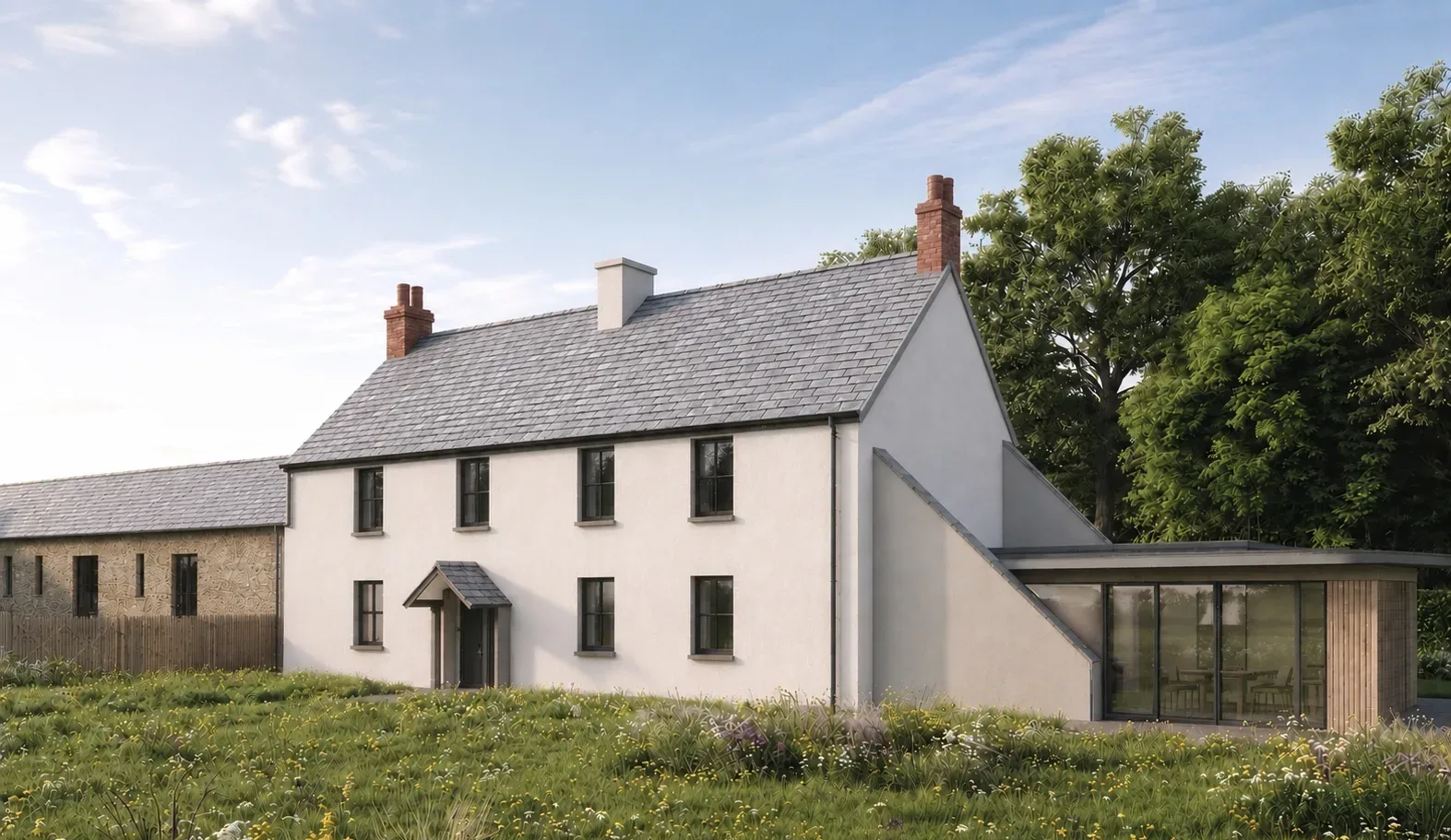
Respecting history does not mean freezing a building in time. People still need comfortable kitchens, useful bathrooms, good lighting, better insulation, and spaces that work for everyday life. The trick is finding ways to introduce those improvements without making the original building feel like an afterthought. Sometimes a carefully designed extension can provide the extra space you need while leaving the most important historic areas untouched. In other cases, changing the layout inside the existing structure may work better. Good design starts by asking what the building can realistically do rather than forcing it into a fixed plan.
Get the Permissions Right
Listed building work can involve more paperwork and discussion than an ordinary renovation. Depending on what you want to change, you may need listed building consent as well as planning permission. The details matter because even changes that seem small can affect the character of a protected property. A well prepared application usually needs clear information about the existing building, its significance, the proposed work, and why the changes make sense. Taking care of this early can save a lot of frustration later and gives everyone involved a clearer picture of the project.
Look at the Budget Honestly
Historic properties can surprise you. You might uncover an old repair, structural issue, or material that needs specialist attention once work starts. That does not mean every project will become wildly expensive, but it does make realistic budgeting important. A feasibility study can help you understand the condition of the property, its constraints, possible design options, and the likely direction of the project before you commit too much money. It also gives you a chance to compare different approaches instead of discovering halfway through the work that your original idea does not fit the building.
Keep Communication Simple
A successful renovation is rarely just about one person making all the decisions. Architects, builders, conservation officers, engineers, and property owners may all have a role. Keeping communication clear from the beginning can prevent misunderstandings and costly changes later. It also helps when the design team understands what you actually want from the property, rather than simply focusing on technical requirements. A collaborative approach can make the whole process feel much less overwhelming, especially when the building comes with plenty of rules and unknowns.
Let the Building Guide You
The best historic building projects often feel natural because the design works with what is already there. Instead of hiding every old feature or trying to recreate the past, think about how the original character can work alongside new ideas. A carefully repaired wall can sit comfortably beside a modern kitchen. A contemporary extension can bring in more daylight without competing with an old farmhouse. The goal is not to make everything look old. It is to create a thoughtful balance where the history remains visible and the space still feels like somewhere people genuinely want to live, work, and enjoy.