
Small Crane Big Impact: Moving Heavy Loads in Tight Spaces Right
There is a moment on every tricky job where you look at the space and think, there is no way anything heavy is getting in or out of here. Narrow paths, low ceilings, awkward angles. It feels like the job was designed to be difficult. But then you bring in the right equipment and suddenly the whole situation starts to feel manageable.
That is where smaller, more flexible lifting solutions come into play. They may not look as powerful as the big machines, but they can handle jobs that larger equipment simply cannot reach.
Why Smaller Equipment Changes Everything
Big cranes are impressive, no doubt. But they need space, and a lot of it. In real working environments, especially older facilities or tight industrial layouts, space is often limited.
This is where compact lifting machines step in. They are designed to move through doorways, fit into tight corners, and still handle serious weight. It is not about replacing larger equipment, it is about using the right tool for the situation.
When you are dealing with complex moves, having that flexibility can save both time and stress.
Understanding the Role of Precision
Moving heavy machinery is not just about lifting. It is about control. You need to place equipment exactly where it needs to go, sometimes within inches of other structures.
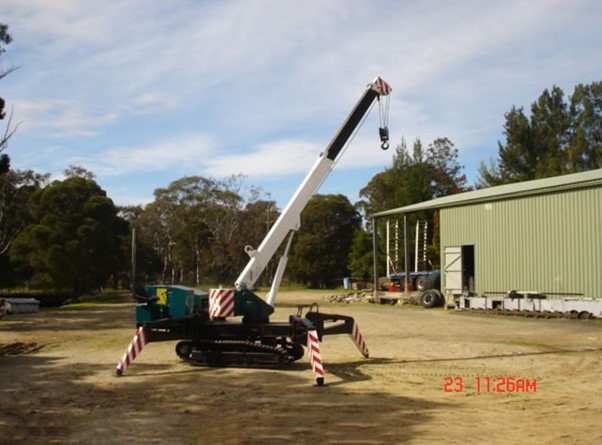
Using a spider crawler crane allows for that level of precision. Its design gives it stability while still being compact enough to work in confined areas. This balance is what makes it so useful in real world situations.
It is not flashy work, but it is the kind that gets results without causing unnecessary disruption.
Planning Still Comes First
Even with the right equipment, nothing works without a solid plan. Before any lifting begins, you need to understand the layout, the weight of the machinery, and the path it needs to take.
Walk through the area. Measure clearances. Look for obstacles that might not be obvious at first glance. Planning does not have to be complicated, but it does need to be thoughtful.
A few extra minutes spent preparing can prevent hours of delay later.
Take It Step by Step
It is easy to feel rushed, especially when there is pressure to get things done quickly. But lifting and moving heavy equipment is not something you want to rush.
Break the process into smaller steps. Position the equipment, check stability, lift slowly, adjust as needed, then move. Each step builds on the last one.
Working this way keeps things controlled and reduces the chance of mistakes.
Communication Keeps Things Smooth
When more than one person is involved, communication becomes essential. Everyone needs to know what is happening and what comes next.
Clear signals, simple instructions, and regular updates help avoid confusion. Even a small misunderstanding can slow things down or create risk.
Keeping communication simple and consistent makes the whole process feel more coordinated.
Adapt When Things Do Not Go as Planned
No matter how well you prepare, something unexpected can come up. Maybe the space is tighter than expected. Maybe the equipment behaves differently once lifted.
This is where flexibility matters. Instead of forcing things to work, take a moment to adjust your approach.
In many cases, using a spider crawler crane gives you that flexibility. Its ability to reposition and operate in tight spaces makes it easier to adapt when plans change.
Safety Is Always Part of the Process
Heavy lifting always comes with risks, no matter how experienced you are. That is why safety should never feel like an afterthought.
Make sure the ground is stable, the equipment is secure, and everyone involved understands their role. Take your time with each movement and avoid shortcuts.
It might feel slower, but it keeps everyone safe and the job on track.
Keep the Bigger Picture in Mind
It is easy to focus on the technical side of the job, especially when things get complicated. But try to remember the goal behind it all.
You are not just moving machinery. You are helping set up the next phase of work, whether that is a new installation, a redesign, or an upgrade.
Keeping that bigger picture in mind helps you stay motivated and make better decisions along the way.
Wrapping It All Up
Working in tight spaces with heavy equipment can feel challenging at first. But with the right mindset, a bit of planning, and the right tools, it becomes something you can handle step by step.
It is not about having everything figured out from the start. It is about staying calm, adjusting when needed, and focusing on doing each part well.
And when the job feels too complex or time is running short, turning to professional relocation services can make the process feel more manageable and far less stressful.